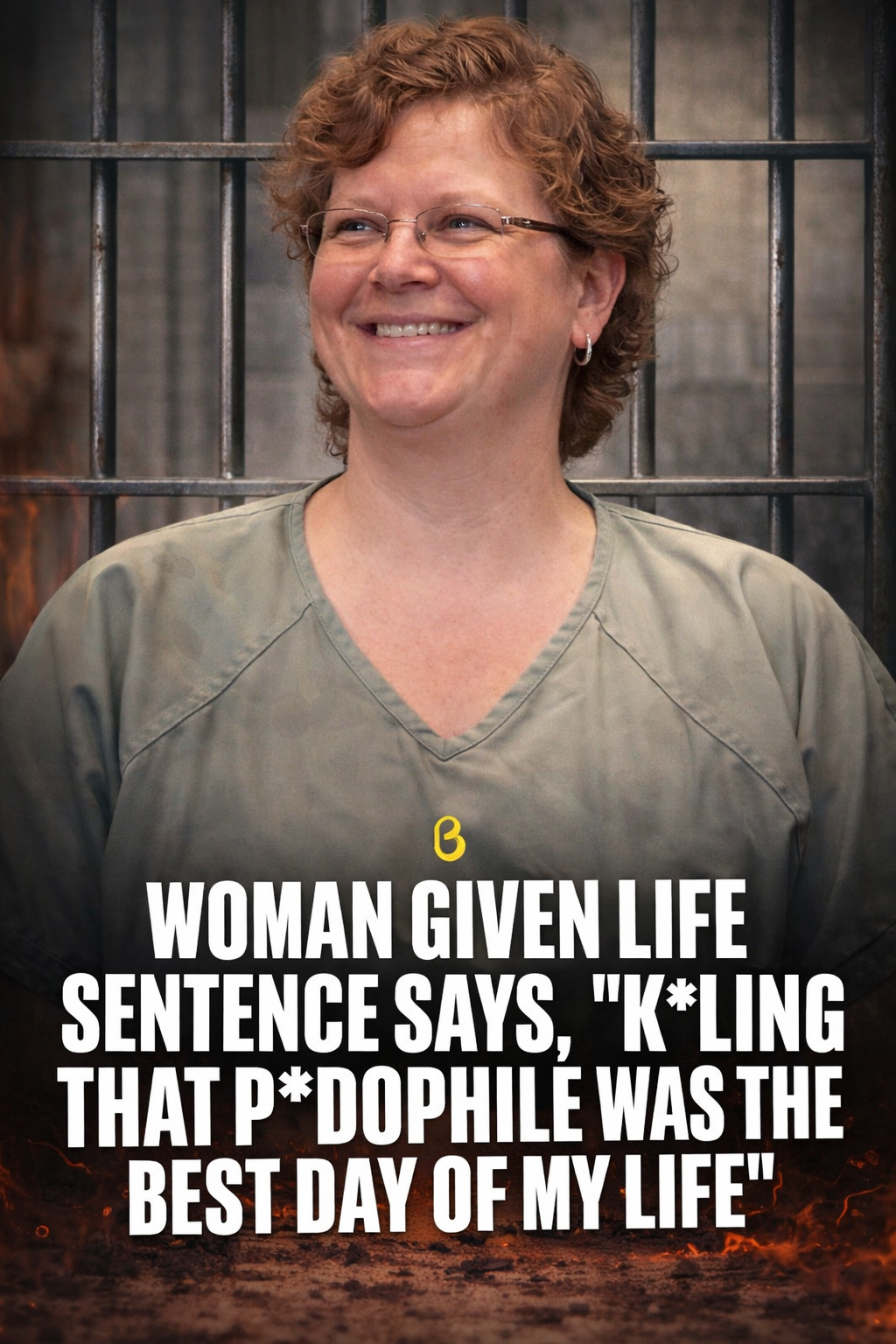
In 2013, a shocking crime in South Carolina captured national attention and sparked intense debate about justice, morality, and the dangers of vigilantism. Jeremy and Christine Moody, a married couple, were sentenced to life in prison after brutally murdering Charles “Butch” Parker and his wife, Gretchen Parker, inside their own home. While the crime itself was horrific, the motive behind it added a disturbing layer to the case.
According to prosecutors, the Moodys deliberately targeted Charles Parker because he was a registered sex offender. They tracked him down, gained access to the home, and carried out a violent attack involving both shooting and stabbing. Gretchen Parker, who was not the intended target, was killed simply because she was present. What began as a targeted act of so-called “justice” quickly became a double homicide that shocked the community.
At first glance, some might be tempted to view the crime through a lens of moral complexity. The idea of punishing offenders outside the legal system can provoke strong emotional reactions, especially in cases involving crimes against children. However, this case highlights a critical truth: when individuals take the law into their own hands, the consequences are often far more destructive than they anticipate.
The Moodys did not act out of a moment of rage or impulse. Evidence showed that the attack was planned. Even more disturbing, Jeremy Moody admitted that he intended to target more individuals listed on the sex offender registry. This wasn’t an isolated act—it was part of a broader mindset rooted in vigilantism and extremism. Reports also indicated that the couple had connections to extremist ideologies, further raising concerns about their motivations and beliefs.
During the investigation and sentencing, the Moodys showed little to no remorse. Instead of expressing regret, they attempted to justify their actions, claiming they believed they were doing something right. This lack of accountability played a significant role in how the court viewed the case. Ultimately, both were sentenced to life in prison, with no possibility of parole.
It is important to understand that the justice system exists for a reason. While it is not perfect, it is designed to ensure fairness, due process, and the protection of innocent lives. Vigilante justice, on the other hand, operates outside these safeguards. It is driven by personal beliefs, emotions, and biases—factors that can easily lead to irreversible mistakes.
In this case, one of those irreversible consequences was the death of Gretchen Parker, an innocent woman who had nothing to do with her husband’s past crimes. Her life was taken simply because she was in the wrong place at the wrong time. This tragedy serves as a stark reminder that violence, even when justified in someone’s mind, rarely stops at its intended target.
The story of Jeremy and Christine Moody is not one of justice—it is one of misplaced anger, dangerous ideology, and the devastating consequences of taking the law into one’s own hands. It challenges us to reflect on how we respond to wrongdoing in society. Do we trust the legal system, or do we allow emotions to guide actions that can lead to further harm?
In the end, this case reinforces a powerful lesson: justice cannot exist without law, and when individuals attempt to replace it with personal vengeance, the results are almost always tragic.