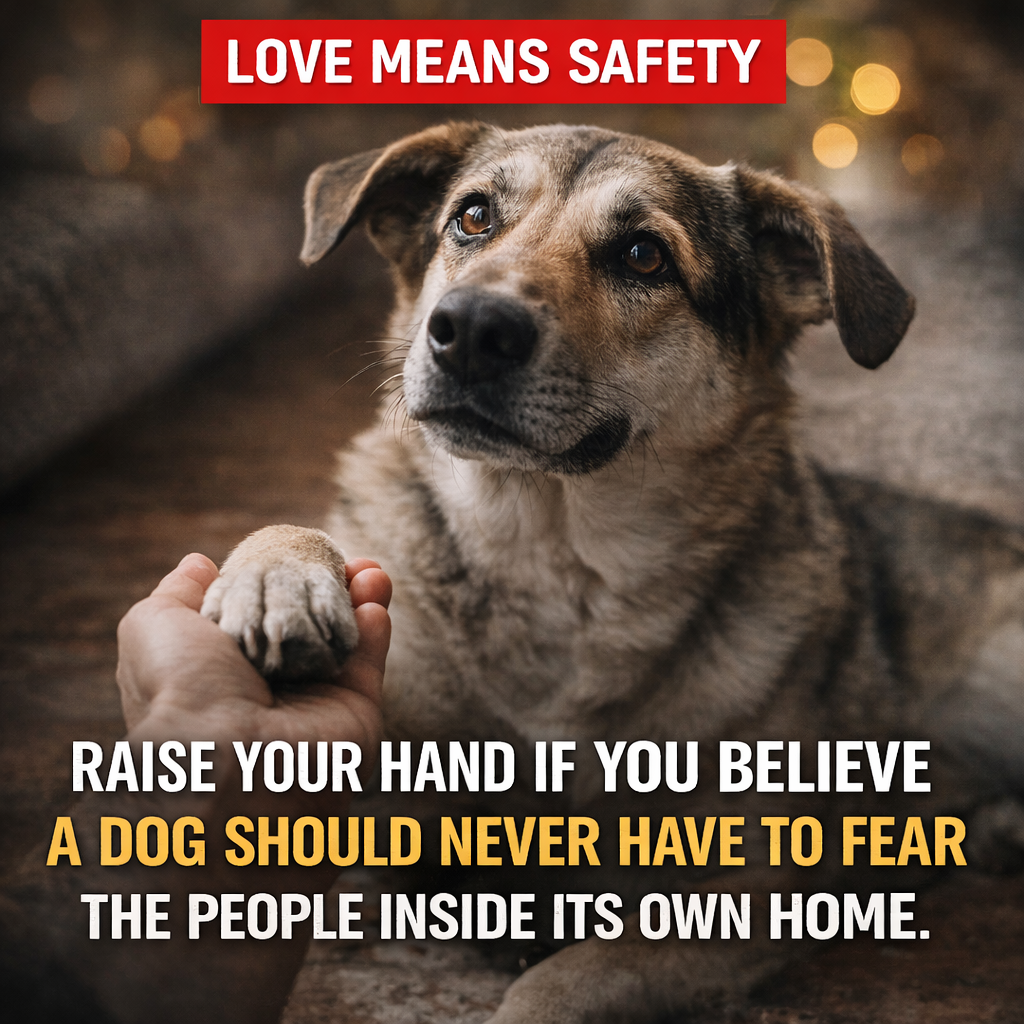
A home is meant to be a place of comfort, safety, and trust. For dogs, it should represent the same things it does for humans: warmth, protection, and a sense of belonging. Unlike people, however, dogs are entirely dependent on us for their well-being. They rely on human care not just for food and shelter, but also for emotional security. When that trust is broken, the consequences can be profound.
Dogs are known for their loyalty, a trait that has been observed for thousands of years throughout their relationship with humans. Scientific research into animal behavior supports the idea that dogs form strong emotional bonds with their owners. Studies in Animal Behavior show that dogs can recognize human emotions, respond to tone of voice, and even experience stress when exposed to negative environments.
Fact Check: Do Dogs Understand Cruelty?
The statement that “dogs don’t understand cruelty” is partly true but requires nuance. Dogs may not understand cruelty in a moral or philosophical sense the way humans do. However, they absolutely recognize negative behavior. Research indicates that dogs can associate actions with outcomes. If a person consistently causes pain or fear, the dog learns to associate that individual or environment with danger.
In fact, prolonged exposure to stress or mistreatment can lead to behavioral and psychological issues in dogs, such as anxiety, aggression, or withdrawal. Veterinary studies confirm that animals living in hostile environments often show elevated stress levels, similar to trauma responses seen in humans.
Organizations like the American Society for the Prevention of Cruelty to Animals emphasize that a stable and nurturing environment is critical for a dog’s physical and emotional health. This includes not only proper nutrition and medical care, but also positive interaction, training, and affection.
Why a Safe Home Matters
A dog’s home environment shapes its behavior, health, and overall quality of life. When a dog feels safe, it is more likely to be calm, responsive, and affectionate. On the other hand, fear-based environments can lead to unpredictable behavior, including aggression or extreme timidity.
Importantly, the responsibility lies entirely with the owner. Dogs do not choose their homes—they adapt to them. This makes ethical treatment not just a preference, but a duty. Providing a safe space is the minimum standard of care, not an added bonus.
The Human Reflection
How we treat animals often reflects deeper aspects of our character. Compassion toward dependent beings—whether animals or humans—demonstrates empathy and responsibility. Conversely, neglect or cruelty can indicate a lack of understanding about the needs of others.
This is not just a moral argument; it is also supported by research in psychology. Studies have found correlations between empathy toward animals and broader prosocial behavior in humans. In simple terms, people who treat animals kindly are more likely to exhibit kindness in other areas of life as well.
A Broader Perspective
It is important to recognize that not all cases of poor treatment come from intentional cruelty. Sometimes, it results from a lack of knowledge about proper care. Education about training, nutrition, and emotional needs can significantly improve a dog’s life.
However, intentional harm or neglect is a serious issue and is recognized as such in many countries through animal welfare laws. These laws reinforce the idea that animals are not objects, but living beings deserving of protection.
Conclusion: More Than Just Agreement
The idea that every dog deserves to feel safe in its home is not just an opinion—it is a widely supported principle backed by science, ethics, and law. Dogs may not understand why they are treated poorly, but they certainly feel the effects of it.
Creating a safe, loving environment is one of the most basic responsibilities of pet ownership. It ensures not only the well-being of the animal but also strengthens the bond between humans and dogs—a relationship built on trust, loyalty, and care.
In the end, a dog’s home should always be a place where fear has no place—and where love is never uncertain.