The question of war crimes in modern conflicts is rarely simple, and the current tensions involving Israel, Iran, and the broader regional dynamics including Gaza highlight just how complex and contested these accusations can be.
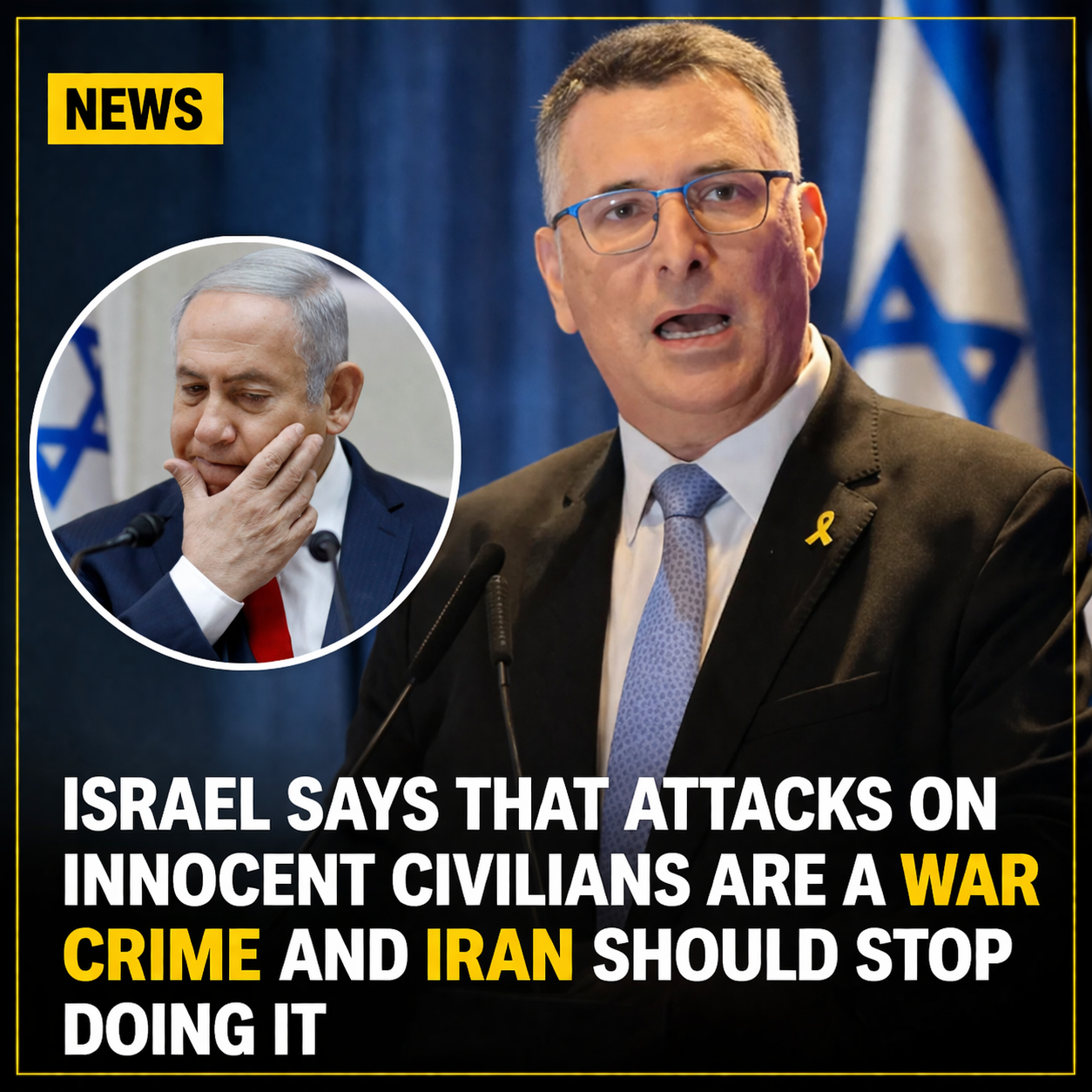
Israeli Foreign Minister Gideon Sa’ar recently accused Iran of deliberately targeting civilians, calling such actions a clear war crime under international law. According to his statements, Iranian missile strikes on cities like Arad and Beit Shemesh resulted in civilian casualties, which he argued demonstrates an intent to harm non-combatants. Reports indicate that these attacks caused deaths and injuries among civilians, including teenagers, reinforcing concerns about the nature of modern warfare where urban areas often become battlegrounds.
Organizations like Amnesty International have also documented incidents, including a strike in Beit Shemesh that reportedly killed multiple civilians. Such findings add weight to claims that civilian populations are being directly or indirectly affected by military operations. Under international humanitarian law, particularly the Geneva Conventions, intentionally targeting civilians or failing to distinguish between civilian and military targets constitutes a war crime.
However, the situation becomes more complicated when examining allegations against other actors in the conflict. Groups such as Human Rights Watch have raised serious concerns about actions attributed to Israel and its allies. One widely cited incident involves a strike on a girls’ school in Minab, Iran, reportedly on February 28, 2026, which allegedly resulted in the deaths of a large number of children and teachers. Human Rights Watch called for an independent investigation, suggesting that such an attack, if verified, could also qualify as a war crime.
These competing accusations reflect a broader pattern seen in many modern conflicts: multiple sides accusing each other of violating international law, while accountability remains elusive. Both Iran and Israel have reportedly targeted infrastructure that may have dual-use purposes—such as energy facilities—but which also serve civilian populations. Hospitals, schools, and residential areas have been mentioned in various reports, raising concerns about proportionality and the protection of civilians.
A key issue in these cases is the difficulty of verification. In active conflict zones, information is often fragmented, delayed, or influenced by political narratives. Governments may deny responsibility, while independent investigations can take months or years to reach definitive conclusions. In the meantime, public perception is shaped by statements, media coverage, and partial evidence.
Another important factor is the concept of intent. International law distinguishes between deliberate targeting of civilians and unintended civilian harm resulting from attacks on military objectives. However, proving intent is challenging and often requires detailed investigations, access to military data, and witness testimony—resources that are not always available during ongoing conflicts.
The broader humanitarian impact cannot be ignored. Regardless of which side is responsible, the repeated targeting—or incidental destruction—of civilian infrastructure has devastating consequences. Schools, hospitals, and homes are not easily replaced, and their loss affects entire communities for years. Civilians bear the brunt of these conflicts, often with limited means of escape or protection.
Ultimately, the situation underscores a troubling reality: accusations of war crimes are becoming increasingly common, but accountability remains inconsistent. While international organizations continue to document and call for investigations, enforcement mechanisms are limited, especially when powerful states are involved.
In conflicts like these, the truth is rarely one-sided. Allegations against Iran, Israel, and others highlight the urgent need for transparent investigations, adherence to international law, and renewed efforts to protect civilian lives. Until then, the cycle of accusation, denial, and suffering is likely to continue.