Weddings are often seen as celebrations of love, unity, and shared joy with family and friends. But in recent years, rising costs have pushed many couples to rethink traditional approaches. One controversial decision by a New York couple has ignited widespread debate online—raising questions about etiquette, value, and what weddings truly represent.
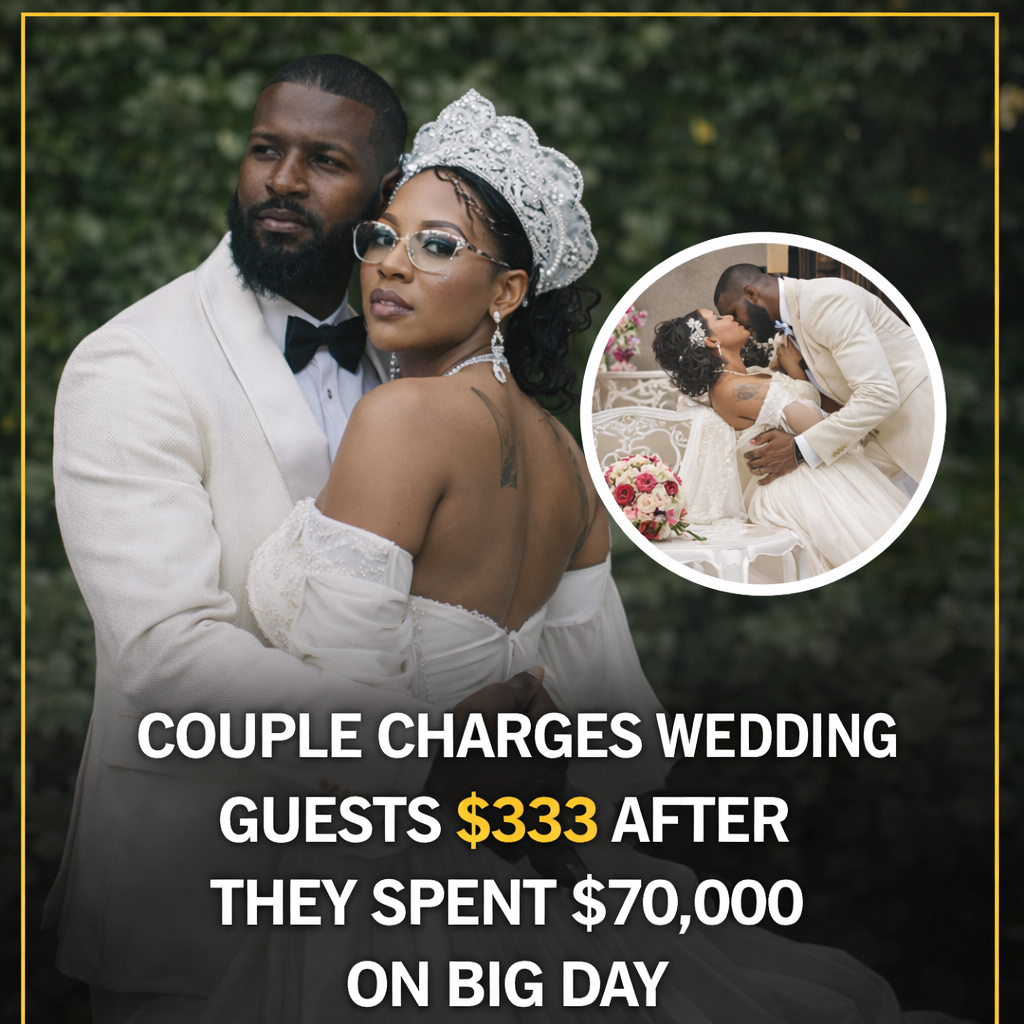
Nova and Reemo Styles, a couple from New York City, planned what initially appeared to be a large-scale wedding with around 350 invited guests. However, logistical constraints quickly forced them to reconsider. Their unique venue—a double-decker party bus—could only accommodate 60 people. Faced with the difficult task of cutting nearly 300 guests from the list, the couple chose an unconventional solution: instead of selecting who could attend, they allowed guests to decide for themselves.
Their approach was simple but highly unusual. Each invited guest was given the option to attend—but only by paying $333 per person. In the end, only 60 out of the 350 invitees chose to pay and attend the wedding, effectively solving the capacity issue without the couple having to exclude anyone directly.
The event itself was far from ordinary. Guests who paid for the experience were treated to a full-day celebration that blended ceremony, sightseeing, and dining. The wedding ceremony took place at St. Patrick’s Cathedral, one of the city’s most iconic landmarks. Following the ceremony, attendees embarked on a 12-hour tour of major attractions across New York City, including Hudson Yards and One World Trade Center. The day concluded with a premium steak and lobster dinner, offering a luxury experience that aligned with the ticket price.
Financially, the decision proved beneficial for the couple. By charging guests, they reportedly saved an estimated $70,000 in wedding costs. In an era where the average wedding can place a significant financial burden on couples, this approach highlights a growing trend of non-traditional cost-sharing methods.
However, the reaction to their decision has been deeply divided. Supporters argue that weddings have become excessively expensive and that couples should feel free to design events that suit their financial situation. From this perspective, offering a high-value experience in exchange for a fee is seen as transparent and practical. Some also agree with the couple’s belief that those who chose to attend demonstrated a stronger level of commitment to their relationship.
On the other hand, critics view the decision as a violation of long-standing social norms. Traditionally, wedding invitations are not transactional; guests may bring gifts, but they are not expected to pay an entry fee. Charging for attendance, according to critics, shifts the tone of the event from a celebration to a commercial transaction. It may also create discomfort for guests who feel obligated to attend but cannot afford the cost.
The situation also raises broader questions about the evolving nature of weddings in modern society. As costs continue to rise and expectations shift, more couples are exploring alternatives—smaller ceremonies, destination weddings, or even private elopements. In this context, the Styles’ decision can be seen as part of a larger movement toward personalization and financial realism.
Ultimately, Nova and Reemo Styles have expressed no regrets about their choice. They maintain that the experience was meaningful, enjoyable, and reflective of their priorities. For them, the outcome justified the method.
Whether viewed as innovative or inappropriate, their wedding has undeniably sparked conversation. It challenges traditional expectations and forces people to reconsider what weddings should be—purely symbolic gatherings, or events that can evolve with changing social and economic realities.
As more couples navigate the balance between celebration and cost, stories like this may become less shocking—and more common.