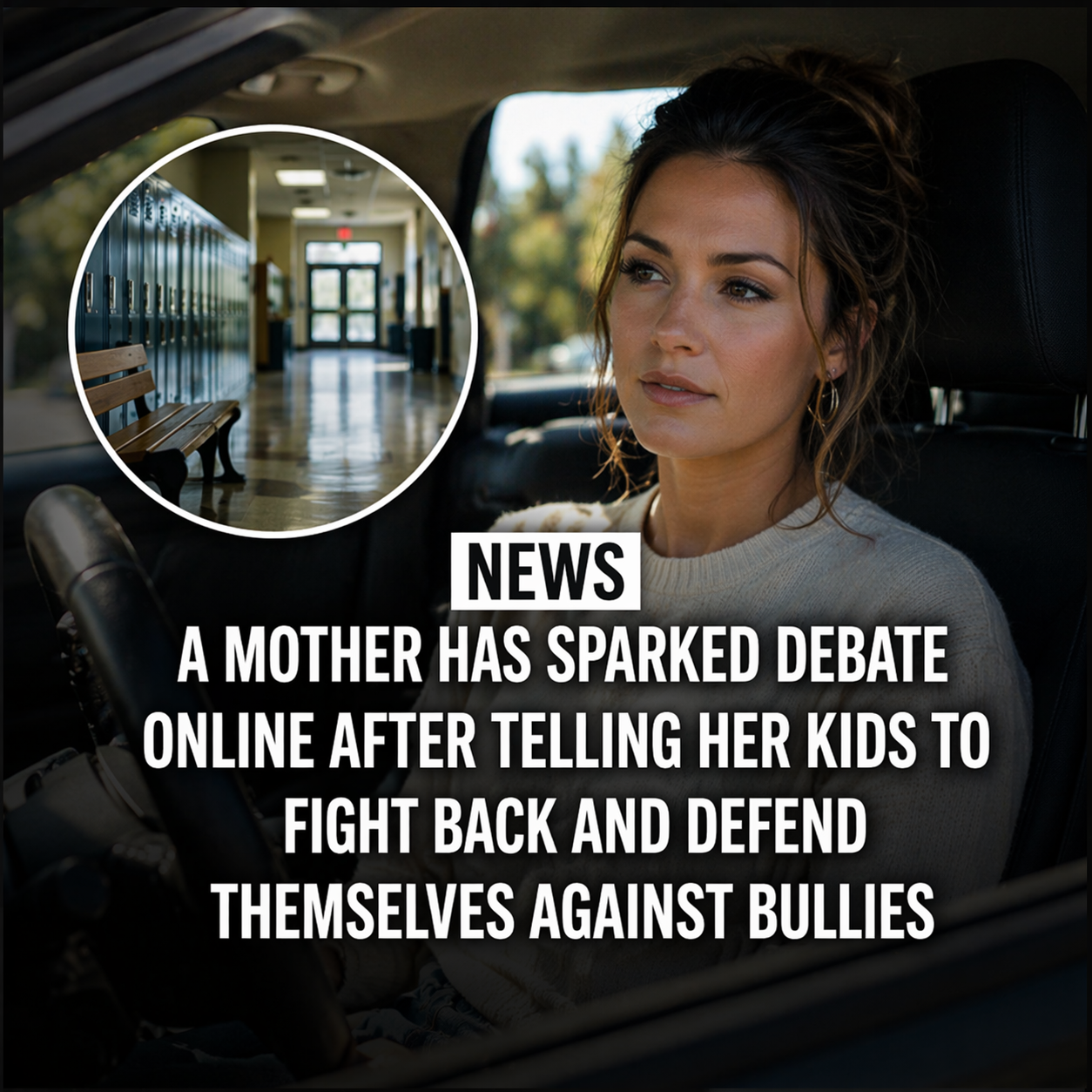
Should kids fight back or walk away? It’s a question that sits at the center of a much bigger conversation about safety, discipline, and what it really means to protect a child.
Most schools today enforce strict zero-tolerance policies when it comes to fighting. On paper, the idea is simple: no violence, no exceptions. But in reality, many parents of bullied children feel those rules don’t always work the way they’re supposed to. When a child reports bullying over and over again without meaningful intervention, frustration builds—not just for the child, but for the parents watching it happen.
This tension recently came into focus through a viral post by a mother who shared her approach. She told her children that if someone hits them, they are allowed to defend themselves. Her stance immediately sparked debate. Some parents strongly agreed, saying they had seen their own children suffer through repeated bullying despite following the “tell a teacher” rule. For them, self-defense wasn’t about encouraging violence—it was about giving their child a sense of control and dignity.
Others pushed back. They argued that while the instinct to defend oneself is natural, schools often treat all physical altercations the same way. In many cases, both children involved in a fight receive equal punishment, regardless of who started it. This creates a difficult situation: a child who finally stands up for themselves may still face suspension or disciplinary action, sending a confusing message about right and wrong.
At the heart of this issue is a clash between two perspectives. Schools prioritize order and safety at a broad level. Their policies are designed to prevent escalation and maintain a controlled environment for everyone. From their point of view, allowing exceptions—even for self-defense—can quickly blur lines and lead to more conflict.
Parents, on the other hand, often see things through a deeply personal lens. They are less concerned with policy consistency and more focused on their child’s emotional and physical well-being. When a child feels powerless, constantly targeted, and unheard, the idea of simply “walking away” can feel unrealistic and even harmful.
So what’s the right answer?
The truth is, there isn’t a simple one. Walking away can be the best option in many situations. It avoids escalation, reduces the risk of injury, and aligns with school rules. But it also requires that the system meant to protect the child is actually working. Without that support, walking away can feel like surrender.
On the other hand, fighting back may stop a bully in the moment, but it comes with consequences—both immediate and long-term. It can lead to punishment, reinforce cycles of aggression, and sometimes escalate the situation further.
What seems to matter most is not choosing one extreme over the other, but preparing children with a range of responses. Teaching them when to walk away, how to seek help effectively, how to assert boundaries verbally, and how to defend themselves if truly necessary can offer a more balanced approach. Just as importantly, schools and parents need to work together to ensure that reports of bullying are taken seriously and addressed consistently.
Because in the end, this debate isn’t really about fighting or walking away. It’s about whether children feel safe, heard, and supported. A school may see a fight as a rule being broken. A parent may see it as a moment when their child finally stopped feeling helpless.
And somewhere between those two perspectives is where the real solution lies.