When a diagnosis comes with no cure, the question becomes not just how to cope—but how to respond with purpose. For actor Bruce Willis and his family, that response has taken the form of awareness, advocacy, and a commitment to research that could one day help others facing the same devastating reality.
Bruce Willis, known worldwide for his iconic roles and commanding screen presence, stepped away from acting after being diagnosed with aphasia, a condition that affects communication and language abilities. At the time, the announcement raised concern but left many questions unanswered. A year later, his family shared a more detailed and difficult truth: Willis had been diagnosed with frontotemporal dementia (FTD), a progressive brain disorder that impacts personality, behavior, and cognitive function.
Unlike more widely recognized conditions such as Alzheimer’s disease, FTD remains relatively unknown to the general public. It is also significantly underfunded, leaving families with limited resources and few treatment options. The disease often strikes earlier than Alzheimer’s and can change a person’s behavior and identity in profound ways, making it particularly challenging for loved ones to navigate.
For Willis’s wife, Emma Heming Willis, the diagnosis marked the beginning of a journey that would extend far beyond private caregiving. She has become a strong and compassionate voice for families affected by FTD, using her platform to raise awareness and encourage open conversations about a condition that is often misunderstood. In her book, The Unexpected Journey, she shares the emotional and practical realities of caring for someone with a neurodegenerative illness—offering both honesty and hope to others in similar situations.
The Willis family, including actress Demi Moore and their children, has chosen to face this challenge together. Rather than retreating from the public eye, they have used their visibility to highlight the urgent need for more research and support. Their openness has helped bring attention to FTD in a way that few cases ever have, turning a deeply personal struggle into a broader call for understanding and action.
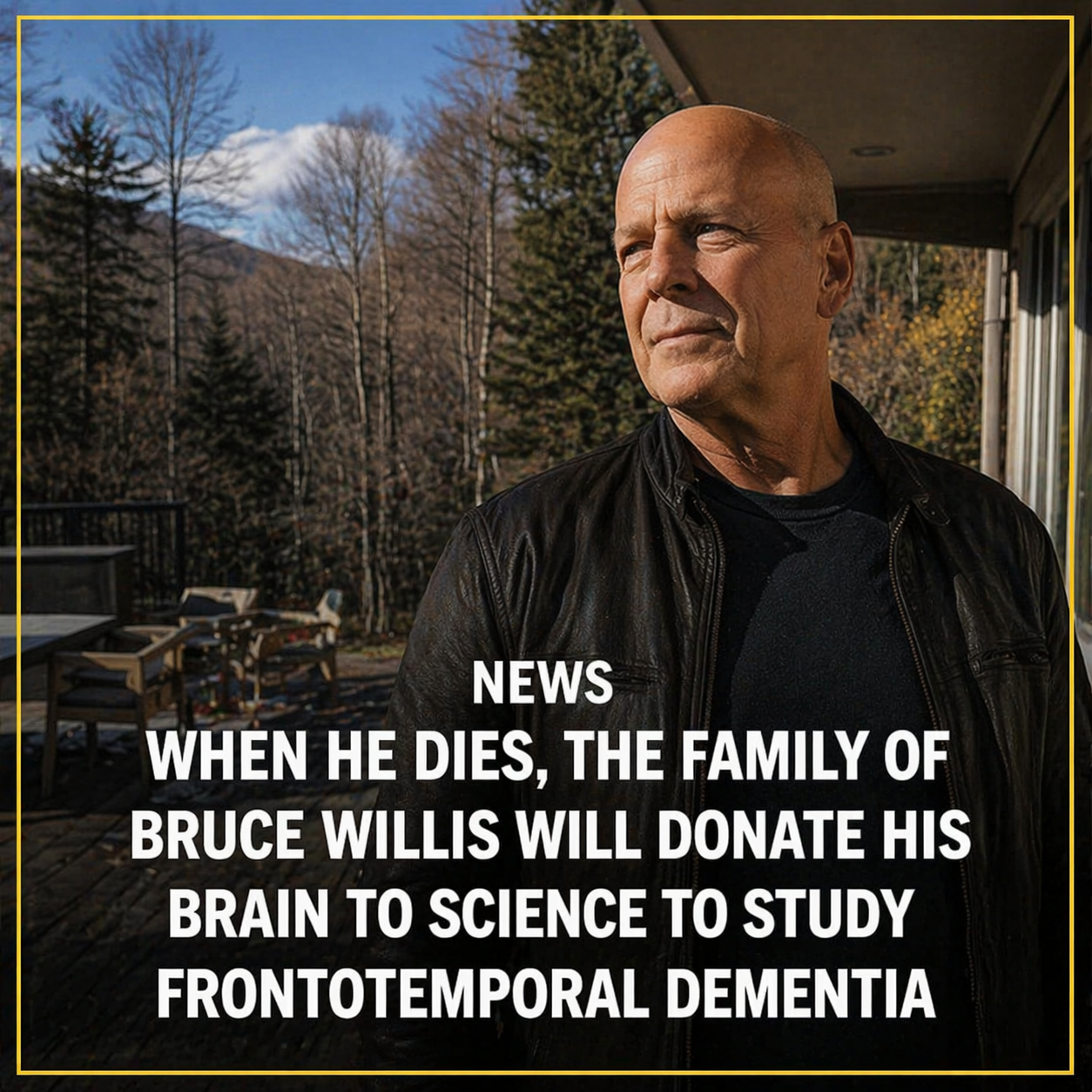
Perhaps the most powerful part of their response is a decision already made for the future. The family has committed to donating Bruce Willis’s brain to scientific research after his death. It is a choice rooted in hope—the hope that what cannot be cured today might one day be understood, treated, or even prevented. Brain donation plays a critical role in advancing knowledge of neurodegenerative diseases, allowing researchers to study the physical changes that occur and develop better diagnostic tools and therapies.
This decision reflects a larger truth about facing incurable illness: while the outcome may not be within one’s control, the impact can still be shaped. By choosing research, advocacy, and openness, the Willis family is helping to ensure that Bruce’s legacy extends beyond his film career. It becomes part of a scientific effort that could improve countless lives in the future.
Their story also highlights an important shift in how society approaches illness—moving from silence and stigma toward awareness and action. When high-profile individuals speak openly about conditions like FTD, they help normalize conversations that many families struggle to have. They also bring attention to funding gaps and the urgent need for medical progress.
In the face of a diagnosis with no cure, it is easy to feel powerless. But the example set by Bruce Willis and his family shows that even in the most difficult circumstances, there is still a way to contribute, to support others, and to create meaning. Turning pain into purpose may not change the diagnosis—but it can change what comes next for countless others walking the same path.